
Bulk Party Favors: Forecasting Demand Without Overbuying
Estimate party-favor quantities with guest-count math, buffer rules, and contingency planning—plus the data to track for repeatable reorders.
Start with a “guest-based” baseline (and name the goal)
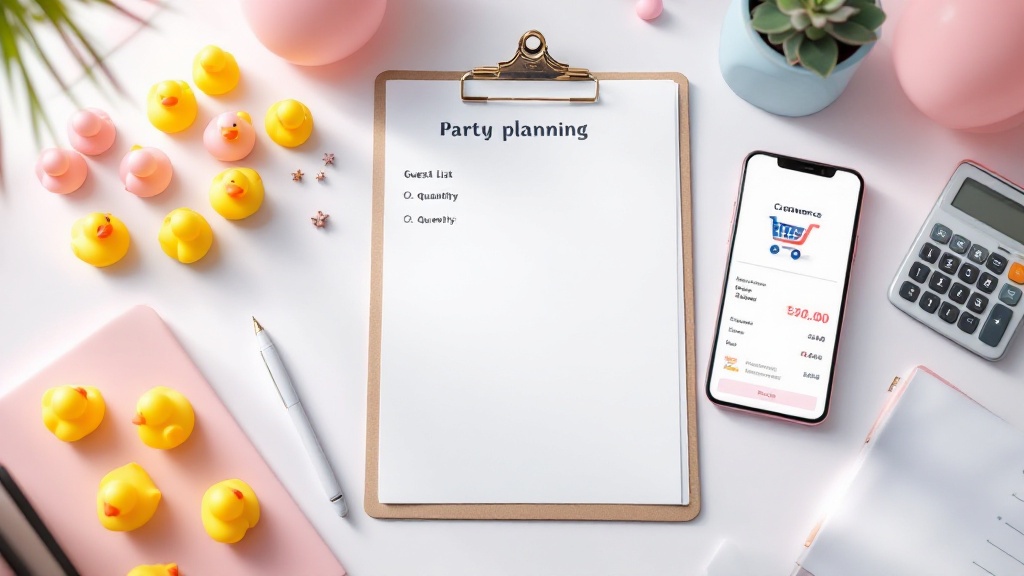
Forecasting party-favors is less about perfect prediction and more about choosing the right service level: no shortages (ideal for VIP gifting) versus minimal leftovers (ideal for tight budgets). In event-planning, shortages create last-minute runs, inconsistent quality, and rushed substitutions—especially when you’re bulk-buying themed items.
Begin with a simple baseline tied to guest count and distribution style. For baby showers, most favors are one-per-guest, but “family guests” may share; for weddings, favors often track place settings; for corporate swag, distribution depends on attendance and how many people pass by a booth. Define whether the favor is a “must-have” keepsake or a “nice-to-have” add-on, then set the baseline quantity accordingly.
A practical starting point: 1.0× guests for seated events, 0.8× for casual drop-ins, and 1.1× when favors are part of a curated gift bag. This makes demand-forecasting measurable before you add buffers or promotions.
Apply buffer rules by event type to avoid shortages (without overbuying)
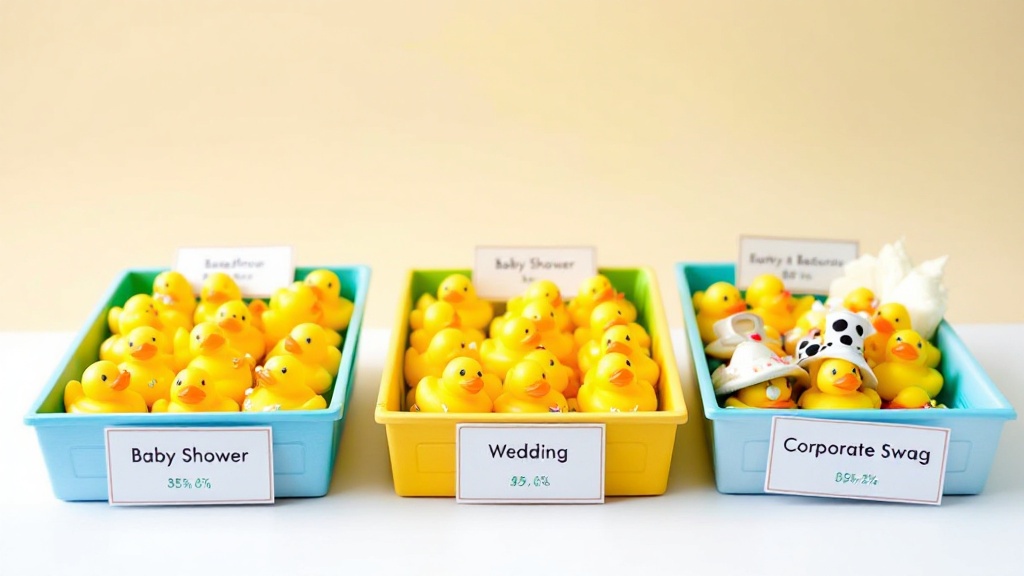
Once you have a baseline, add buffers based on uncertainty. Think of buffers as controlled “insurance” tied to variables you can name: late RSVPs, plus-ones, breakage, and last-minute add-ons like extra VIP bags. For most party-favors, a 5–10% buffer is enough; for high-variance events (walk-ins, mixed-age groups, public venues), plan 10–20%.
Use a simple framework: - Baby showers: baseline 1.0× confirmed guests; buffer 5–10% (add 1–2 extras for siblings or helpers). - Weddings: baseline 1.0× place settings; buffer 3–7% (venue staff often needs a few spares). - Corporate swag: baseline 0.8× expected attendance; buffer 15–20% if foot traffic is unpredictable.
To keep inventory lean, choose favors that bundle well and scale with quantity breaks—e.g., minis in 50- and 100-packs. Shops like QuirkDuck Market make bulk-buying safer by showing stock levels, consistent specs, and tiered pricing so your buffer doesn’t become an accidental overorder.
Plan contingencies and track the right data for repeatable reorders
Even strong demand-forecasting benefits from a backup plan. Build a “contingency ladder” that escalates only if needed: (1) hold a small buffer, (2) pre-select an acceptable substitute SKU, (3) confirm reorder lead times, and (4) decide how you’ll handle leftovers (donation, future events, or staff gifts). For multi-venue events, schedule a mid-cycle inventory check so you can reorder the exact SKU—especially if you need consistent colors or non-squeaker minis.
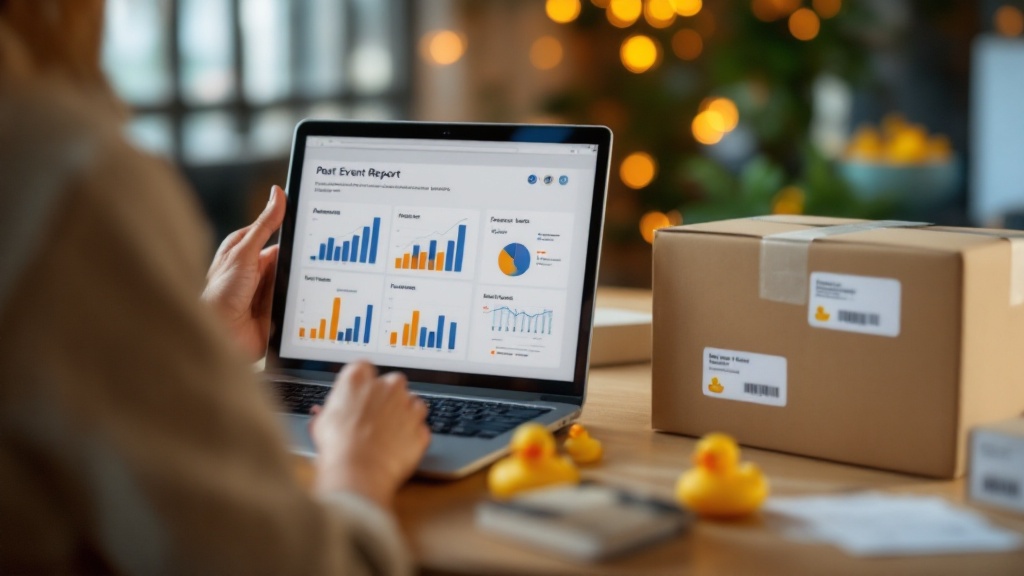
To make forecasting repeatable, track a short dataset after every event: confirmed RSVPs vs. actual attendance, favors distributed, leftovers, and reason codes (late arrivals, extra kids, VIP additions). Add fulfillment metrics too: ship date, delivery date, damage rate, and whether any items were backordered. This connects event-planning decisions to real inventory outcomes.
Finally, store reorder notes: chosen theme, pack size, and any gift-note or bundling preferences. With that history, bulk-buying becomes faster, more accurate, and less stressful—and your party-favors stay consistent from first drop to last-minute add-on.